



Yoga for Stress Relief: Simple Poses to Calm the Mind
Stress has become so woven into daily life that most people have stopped noticing how much of it they are actually carrying. It shows up as a tight jaw, shallow breathing, a mind that will not switch off at night, and a body that feels permanently braced for the next thing.
The good news is that the body already knows how to come down from stress. It just needs the right conditions to do so. Yoga for wellness creates exactly those conditions, and it does not require hours of practice or an advanced level of fitness. It requires consistency, the right approach, and a willingness to slow down.
At Trē Wellness, stress relief through yoga is not an afterthought. It is a considered, structured part of how the body and mind are brought back into balance.
Why Stress Is a Physical Problem, Not Just a Mental One
When the body is under stress, it releases cortisol and adrenaline. These are useful in short bursts. The problem is that modern life keeps the stress response switched on almost permanently. Deadlines, screens, noise, financial pressure, relationship strain, and the relentless pace of work mean the nervous system rarely gets a genuine break.
Over time, chronic stress affects sleep, digestion, immunity, hormonal balance, and cardiovascular health. It creates muscular tension that becomes structural. It disrupts the gut-brain connection. It keeps the mind in a state of low-level vigilance that is exhausting even when nothing dramatic is happening.
This is why yoga for corporate wellness has grown so significantly as a field. Employers and individuals alike are recognising that stress is not just a mood issue. It is a health issue, and it needs to be addressed at the level of the body, not just the mind.
Yoga addresses it at both.
How Yoga Works on Stress
Yoga activates the parasympathetic nervous system, which is the part of the body responsible for rest, digestion, and recovery. Every slow, conscious movement and every deliberate breath signals to the nervous system that it is safe to come down from high alert.
This is not a metaphor. It is measurable. Studies consistently show reductions in cortisol, blood pressure, heart rate, and inflammatory markers in people who practice yoga regularly. The effects are not just felt during the session. They carry over into daily life, building a baseline of calm that makes the inevitable stressors easier to manage.
At Trē, yoga sessions are designed with this physiological understanding at their core. The sequencing, the pace, the breathwork, and the environment all work together to support a genuine shift in the nervous system, not just a temporary sense of relaxation.
Yoga Poses That Specifically Calm the Mind
Certain yoga poses are particularly effective for stress relief because of how they work on the nervous system, the breath, and the areas of the body where tension is most commonly held.
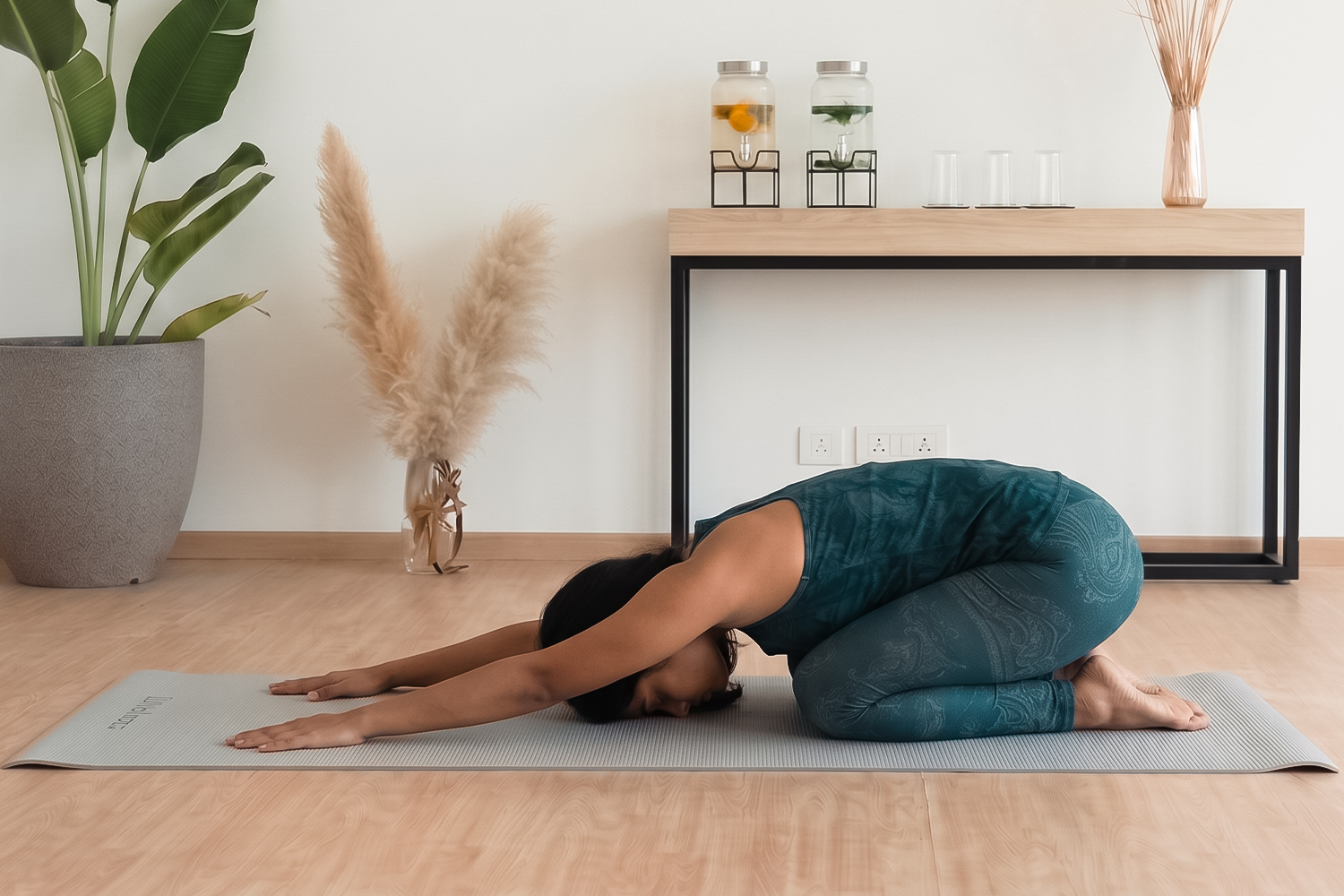
Balasana (Child's Pose)
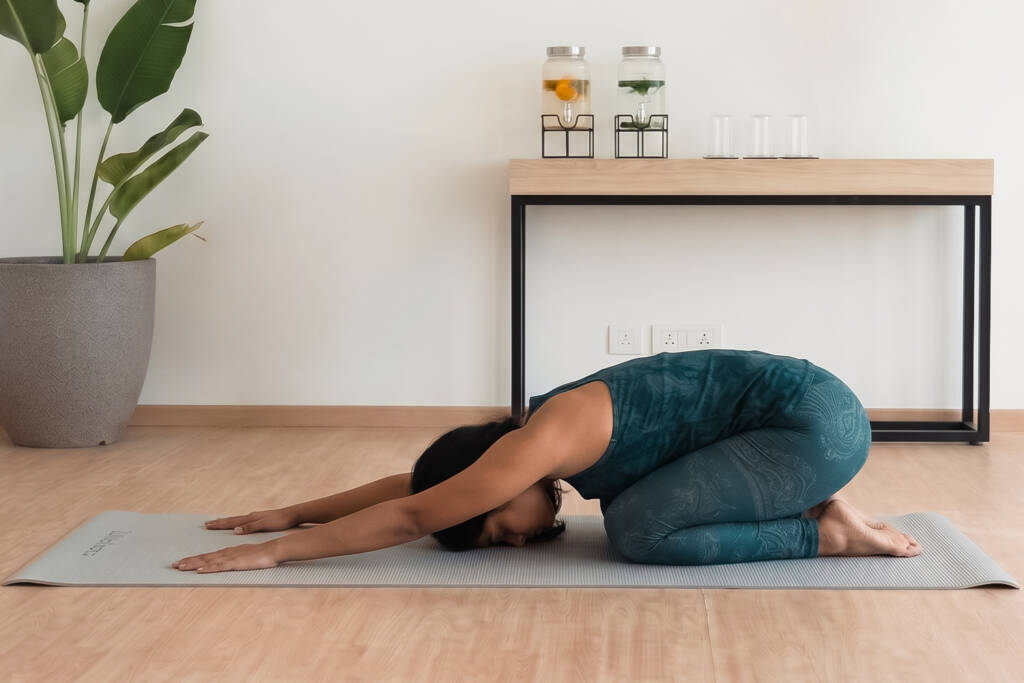
It is one of the most immediately calming stretching yoga poses available. The forward fold of the body over the knees, with the forehead resting on the ground, directly stimulates the vagus nerve and encourages the breath to slow and deepen. It releases the lower back, hips, and shoulders, which are the areas that carry the most chronic tension in most people.
Viparita Karani (Legs Up the Wall Pose)
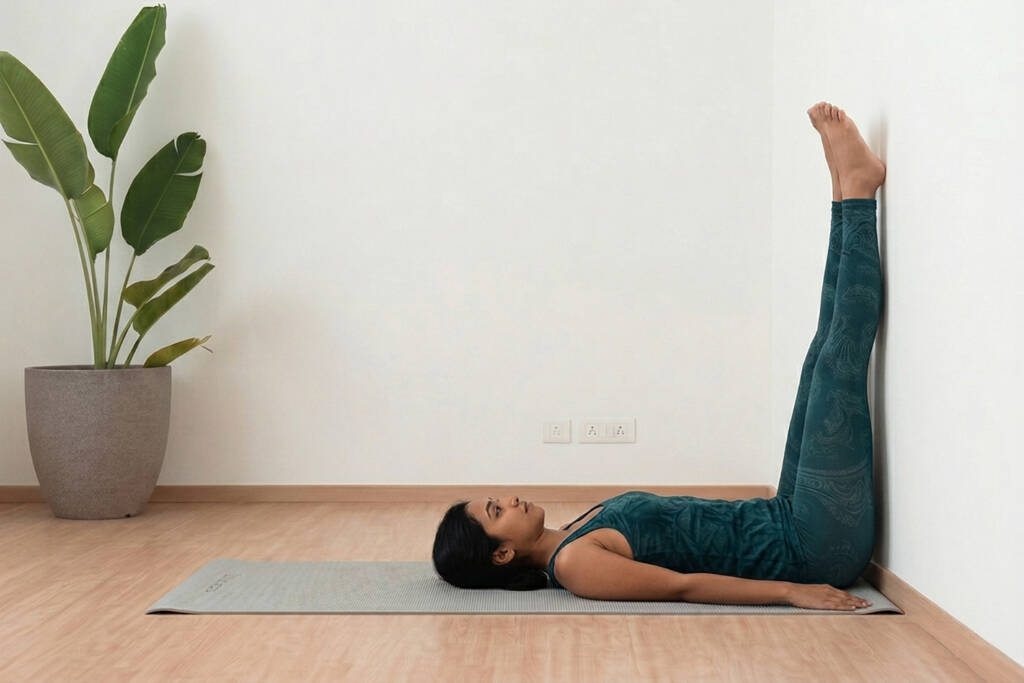
It is a gentle inversion that requires almost no effort but delivers significant results. Lying on the back with the legs resting vertically against a wall reverses the gravitational pull on the lower body, improves venous return, and creates an almost immediate drop in mental activity. It is one of the most effective yoga poses for mind relaxation available and requires no prior experience.
Paschimottanasana (Seated Forward Fold)
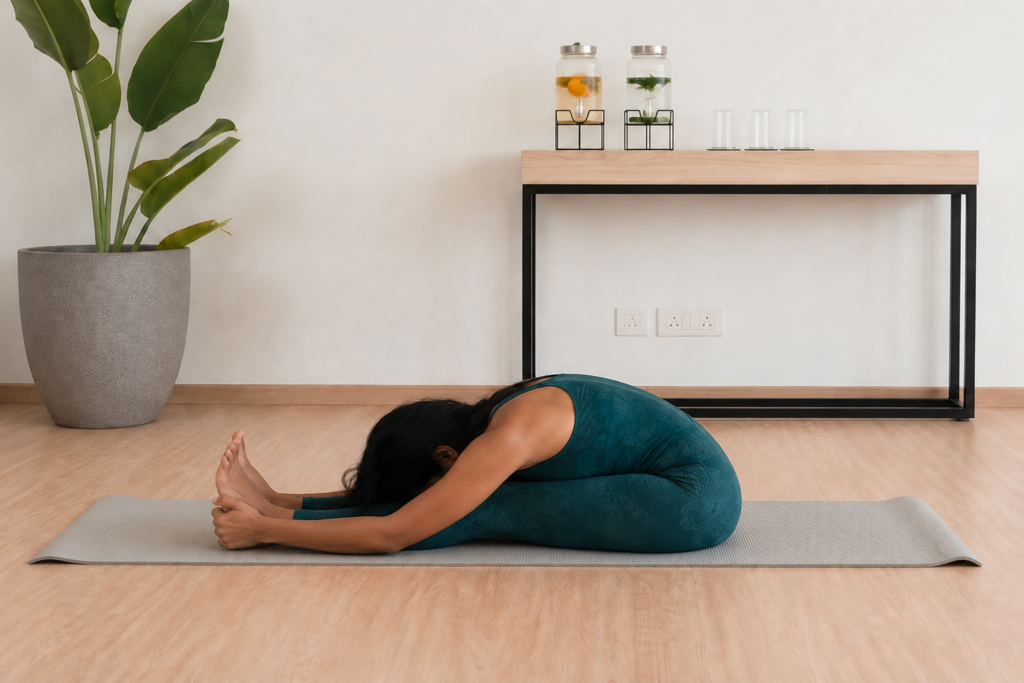
Paschimottanasana stretches the entire back of the body while encouraging the head to drop below the heart, which has a naturally calming effect on the cardiovascular system. Combined with slow breathing, it is a reliable tool for bringing the mind out of overdrive.
Supta Matsyendrasana (Supine Twist)
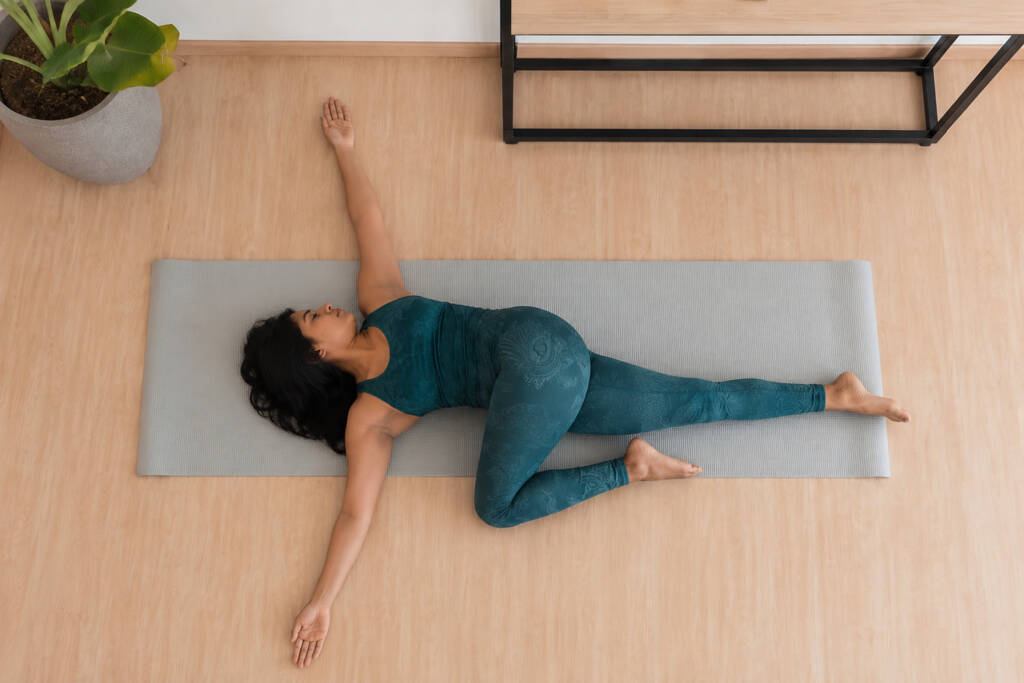
Supta Matsyendrasana releases the spine and the muscles around the ribcage, creating space for deeper breathing while also working on the digestive system, which is often one of the first things to suffer under chronic stress.
Setu Bandha Sarvangasana (Supported Bridge Pose)
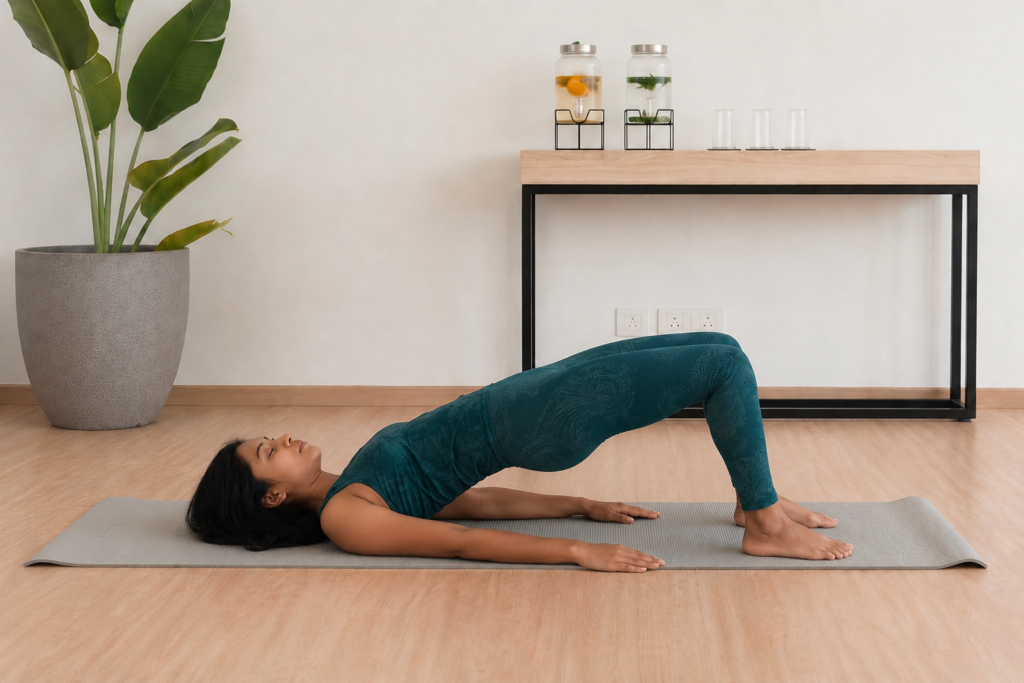
Setu Bandha Sarvangasana opens the chest and the front of the body, counteracting the physically closed posture that stress and long hours at a desk tend to create. It gently activates the back body while encouraging the breath to expand, which has a direct effect on mood and mental state.
Savasana, or final relaxation
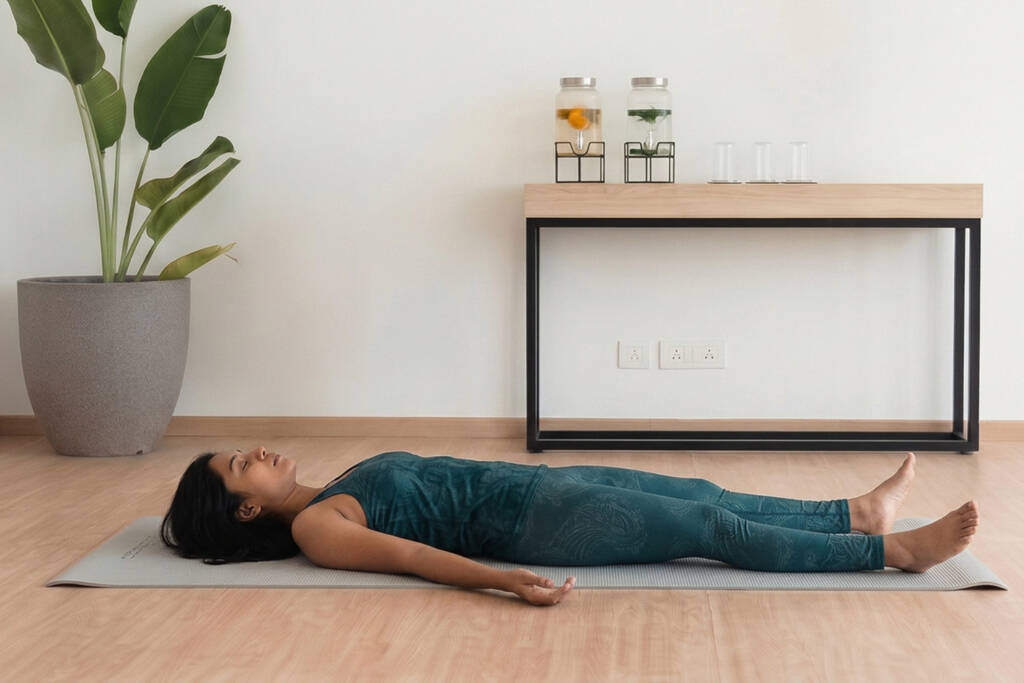
Savasana is often undervalued but is perhaps the most important part of any stress-relief yoga practice. Lying completely still and allowing the nervous system to integrate everything the session has worked on is where a significant part of the benefit is consolidated.
At Trē, these poses are taught with individual attention and therapeutic intent. The goal is not to achieve a shape. It is to use the shape as a tool for something deeper.
The Role of Breathing in Stress-Relief Yoga
Breath is the bridge between the conscious nervous system (somatic) and the unconscious nervous system (autonomic) . It is the one autonomic function we can deliberately control, and changing it changes everything downstream.
In a Trē yoga session, breathwork is never separated from the physical practice. Slow exhalations activate the parasympathetic system. Alternate nostril breathing balances the hemispheres of the brain and reduces anxiety. Extended breath-holds, done safely, build CO2 tolerance and improve the body’s capacity to stay calm under pressure.
For those dealing with significant stress or burnout, pranayama practice alone can be genuinely transformative. At Trē, it is woven into every session rather than treated as an optional extra.
Guided Meditation and Yoga Nidra for Deeper Restoration
While movement and breath prepare the body to let go of stress, guided meditation and Yoga Nidra help deepen that state of restoration. At Trē, these practices are thoughtfully integrated into the wellness journey to calm the mind, regulate the nervous system, and support emotional balance.
Guided meditation gently anchors attention in the present moment, helping quiet mental chatter and ease the body’s stress response. Yoga Nidra, often referred to as yogic sleep, takes this relaxation even further by allowing the body to enter a state of profound rest while the mind remains gently aware. This deeply restorative practice supports better sleep, reduces mental fatigue, and creates the conditions for the body’s natural healing processes to unfold.
Yoga for Sleeping Well
One of the most consistent benefits people notice from a regular yoga practice is improved sleep. Yoga for sleeping well works because it addresses the two main reasons people struggle to sleep: an overactive nervous system and physical tension that the body cannot release on its own.
An evening yoga sequence done in the hour before bed, focused on stretching yoga poses and slow breathwork, signals to the body that the day is over. It lowers cortisol, relaxes the muscles, and allows the mind to move from active processing into genuine rest.
At Trē, sleep is taken seriously as a health outcome, not just a side effect of relaxation. Yoga sessions in the evening are specifically structured to support this transition, and guests regularly report meaningful improvements in sleep quality within the first few days of their stay.
How Long Does It Take to Feel a Difference
The honest answer is: sooner than most people expect. Many guests at Trē notice a shift after two or three well-structured sessions. The breath slows. The shoulders drop. The mental noise quiets.
The deeper changes, the ones that affect how you respond to stress day to day, come with consistency. Even twenty to thirty minutes of daily practice, focused on the right poses and breathwork, can produce measurable changes in stress levels within two to three weeks.
The best time to practice yoga for wellness depends on what you are trying to achieve. Morning practice tends to be energising and clarifying, setting the tone for the day. Evening practice, focused on restorative poses, is better suited to winding down and supporting sleep. At Trē, both are available, and practitioners help guests find the approach that suits their needs and schedule.
Yoga at Trē: Designed for Real Stress Relief
What makes Trē Wellness yoga sessions effective for stress management is the combination of therapeutic intent, individual attention, and the broader healing environment in which the practice takes place. You are not in a class of twenty people following a generic sequence. You are in a program designed around your specific stress profile, your body, and your health goals.
The yoga at Trē works alongside naturopathic care, Ayurvedic therapies, nutrition, and structured rest. Each element supports the others. When the body is also receiving the right food, the right treatments, and genuine rest, yoga goes deeper and produces results that last beyond the stay itself.
Stress is not something to push through. It is something the body needs help releasing. Yoga, practiced with care and consistency, is one of the most effective tools available for doing exactly that.
Enhance your yoga and meditation sessions with Trē’s official Somatic Movement & Yoga playlist – Listen here!!
Frequently Asked Questions
Q1. How does yoga help reduce stress?
Yoga activates the parasympathetic nervous system, which is the body’s rest and recovery mode. Through slow movement, yoga poses, and conscious breathing, it lowers cortisol, reduces muscular tension, and brings the mind out of the low-level vigilance that chronic stress creates. The effects build with regular practice.
Q2. Which yoga poses are best for stress relief?
Balasana (Child’s Pose), Viparita Karani (Legs Up the Wall Pose), Paschimottanasana (Seated Forward Fold), Supta Matsyendrasana (Supine Twist), Setu Bandha Sarvangasana (Supported Bridge Pose), and Savasana (Corpse Pose) are among the most effective yoga poses for mind relaxation. At Trē, these asanas are taught with therapeutic intent and adapted to each individual’s needs.
Q3. What makes Trē Wellness yoga sessions effective for stress management?
Trē yoga sessions are designed with a clear therapeutic purpose, individual attention, and integration with the broader wellness program. The combination of yoga for wellness, breathwork, Ayurvedic care, and structured rest produces results that go beyond what a standalone yoga class typically achieves.
Q4. How long should I practice yoga to manage stress?
Twenty to thirty minutes daily is enough to produce meaningful change with consistency. At Trē, programs are structured to help guests build a practice that is sustainable beyond their stay.
Q5. Does breathing play a role in stress-relief yoga?
Breathing is central to it. Slow, deliberate breathing directly activates the parasympathetic nervous system and is one of the fastest ways to bring the body down from a stress state. At Trē, pranayama is integrated into every session as a core component, not an optional add-on.
Q6. Can yoga improve sleep quality?
Yes. Yoga for sleeping well works by reducing the physical tension and nervous system activation that often interfere with quality sleep. An evening practice focused on restorative poses, breathwork, guided meditation, and Yoga Nidra helps calm the mind, regulate the nervous system, and prepare the body for deep, restorative rest. With consistent practice, many people notice meaningful improvements in both sleep quality and overall well-being.
Q7. When is the best time to practice yoga for stress relief?
Morning practice supports clarity and energy for the day ahead. Evening practice, built around stretching yoga poses and restorative sequences, is better suited to supporting sleep and unwinding from the day. At Trē, both are available and practitioners help each guest find what works best for them.

