



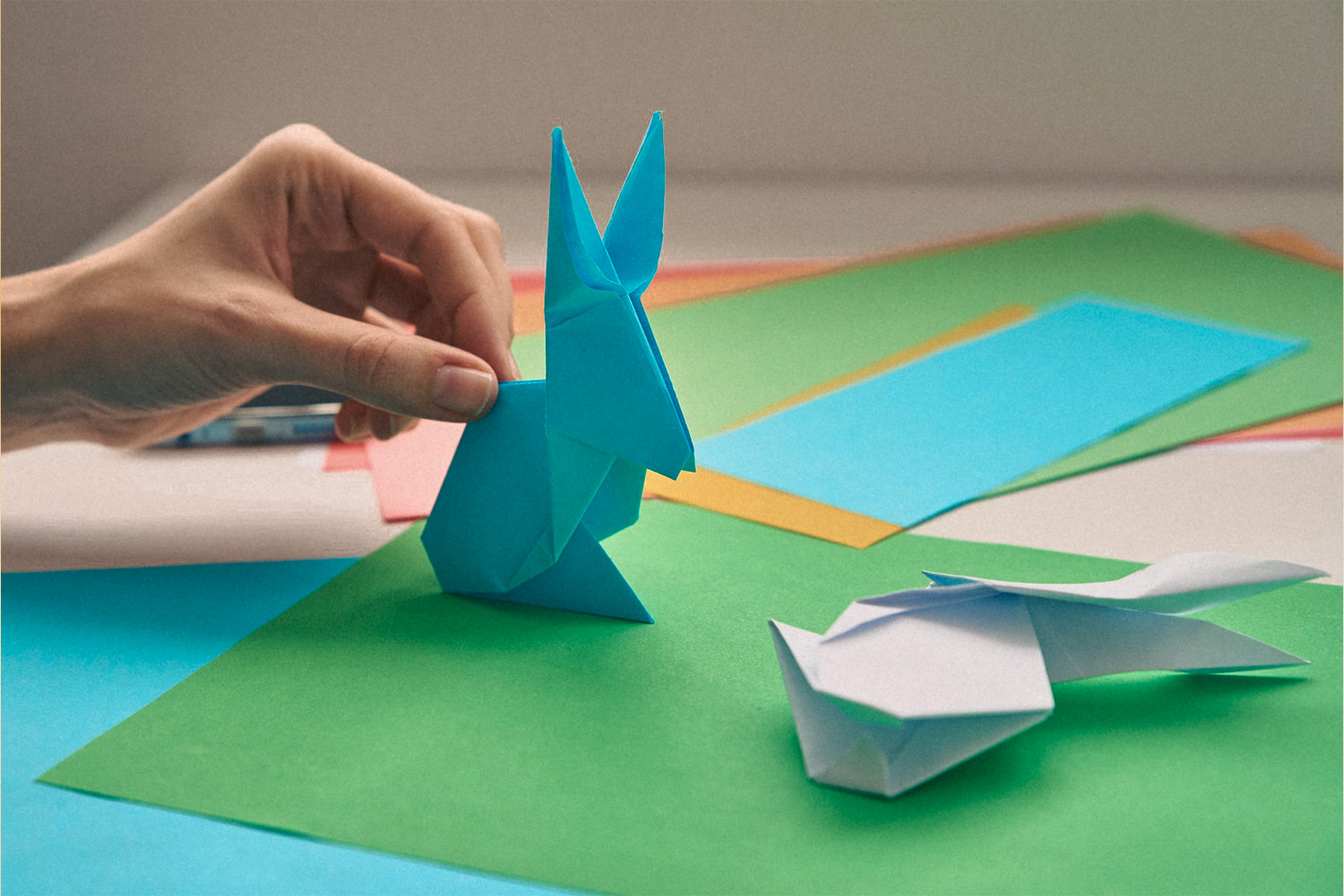
World Art Day: How Art Therapy Heals the Mind, Body and Soul
The world pauses to celebrate art. Not just paintings in galleries or sculptures in museums, but the very human need to create, to express, and to feel something. Art therapy is a reminder that art is not a luxury. It is, in many ways, a necessity.
At Trē Wellness, we think about this a lot. Because buried inside the act of creating, whether you are painting, drawing, moulding clay, or simply putting colour on paper, there is something deeply healing happening. It is not just about making something beautiful. It is about what the process does to you from the inside out.
What Is Art Therapy, Exactly?
Here is something most people get wrong about art therapy: they think it is about being good at art. It is not.
Art therapy is a form of mind therapy that uses the creative process, painting, drawing, collage, sculpting, and other activities to help people express things they cannot always put into words. A trained art therapist guides the session, but the focus is never on the finished piece. It is on what comes up while you are making it.
Think about the last time you were so absorbed in something creative that your mind went quiet. No mental to-do list, no replaying of yesterday’s argument, no worry about tomorrow. Simply focus on the task at hand. That state of absorption is part of why art therapy works. It pulls you into the present moment, and the present moment is where healing begins.
Art therapy is used in hospitals, rehabilitation centres, mental health clinics, and wellness programmes across the world. It sits alongside other therapeutic approaches and has a growing body of clinical research behind it. At Trē, it is considered a genuine therapeutic tool, not a complementary extra.
What Happens in the Brain When You Create
When you engage in any creative activity, your brain shifts. The parts responsible for fear, rumination, and stress response, particularly the amygdala, become less active. At the same time, the brain releases dopamine, the chemical associated with reward and pleasure.
For people carrying chronic stress, anxiety, or emotional pain, this shift is not small. It is often the first real relief they have felt in a long time.
Art also activates both hemispheres of the brain simultaneously. Language lives largely in the left brain. Trauma, grief, and deep emotion often live somewhere harder to reach – somewhere that words alone do not always access. The creative process gives those feelings a way out that does not require putting them into sentences.
This is why art therapy is particularly powerful for people who find it difficult to talk about what they are going through. You do not need to explain anything. The art does it for you.
How Art Therapy Helps With Stress and Anxiety
Stress is something most of us have learned to live with. We manage it, push it through, and normalise it. But stress that stays in the body too long becomes a physical problem, not just a mental one.
Art therapy works on stress and anxiety in a few specific ways.
First, it interrupts the stress cycle. When you are focused on mixing colours or shaping something with your hands, your nervous system gets a signal that you are safe. Your breathing slows. Your heart rate drops. The cortisol that stress keeps pumping around your body begins to settle.
Second, it gives emotions somewhere to go. Anxiety often builds when feelings have no outlet. Art therapy provides that outlet in a way that is contained and guided – you are not just venting, you are processing. The therapist helps you understand what came up and why.
Third, it builds a sense of control. Anxiety thrives on helplessness. When you create something, even something simple, you are reminded that your hands can make things happen.
At Trē, guests who come in with high stress loads often find that art therapy sessions produce a kind of calm they cannot achieve through effort alone. It is not forced relaxation. It is the body remembering how to let go.
What Actually Happens in an Art Therapy Session
People often imagine art therapy as sitting alone with a canvas and being told to “express yourself.” The reality is much warmer and more structured than that.
Sessions at Trē are guided by a therapist who creates a safe, non-judgemental space from the start. There is no right or wrong, no skill required, and no pressure to produce anything in particular. The therapist may introduce a theme or a prompt, something that gently encourages exploration, or leave the direction open, depending on what the guest needs.
Activities might include:
- Painting and drawing — using colour, line, and shape to express mood and emotion
- Collage — cutting and arranging images and textures, often used to explore identity and transitions
- Clay and sculpting — working with the hands in a tactile way that is particularly grounding for people who feel disconnected from their bodies
- Mandala creation — structured, repetitive pattern-making that calms the mind
- Journalling combined with visual art — moving between words and images to deepen self-awareness
After the creative part of the session, the therapist gently explores what came up. What did you notice? What surprised you? What did it feel like to make that? These conversations are often where the real breakthroughs happen.
Can Art Therapy Improve Physical Health Too?
This is a question we hear often, and the answer is yes, genuinely.
The connection between the mind and body is not a concept at Trē. It is a clinical reality that runs through everything we do. And art therapy is a clear example of how healing the mind creates real change in the body.
Chronic stress keeps the body in a state of low-grade inflammation. It suppresses the immune system, disrupts sleep, raises blood pressure, and worsens pain. When art therapy reduces stress measurably and physiologically, these physical effects begin to reverse.
Research has shown that regular engagement with creative therapies can lower blood pressure, reduce the experience of chronic pain, and improve sleep quality. For guests with autoimmune conditions, the reduction in stress-related inflammation can make a meaningful difference to how they feel day to day.
At Trē, body therapy does not only mean what happens on a treatment table. It means addressing everything that affects the body, including what is happening in the mind. Art therapy sits firmly within that understanding.
Why World Art Day Matters for Wellness
World Art Day was established in 2012 by the International Association of Art. It marks the birthday of Leonardo da Vinci, chosen because he represents the connection between art, science, creativity, and the human spirit.
That connection is worth sitting with. Da Vinci was not just a painter. He was a person who looked at the world with curiosity, who found meaning through the act of making. That impulse, to create, to understand, to express – is not unique to genius. It is human.
At Trē, we believe that every person carries a creative capacity, and that this capacity is not separate from health. It is part of it.
If today, on World Art Day, you feel inspired to pick up a pencil, mix some colour, or simply let your hands create something, then do it. Not because it will produce anything worth hanging. But because the act of creating is itself a form of care.
Begin Your Healing Journey at Trē
If you are curious about art therapy, or about how creative approaches to healing might fit into your wellness journey, we would love to talk. At Trē, every programme begins with a proper doctor consultation, because the right combination of therapies is always personal.
Art therapy does not replace clinical care. At Trē, it works alongside naturopathy, Ayurvedic treatments, yoga, meditation, and other therapies to address the whole person. That is the Trē approach: looking at everything, addressing the root, and supporting healing at every level.
Reach out to us, or visit the Trē Wellness website to learn more about what we offer.
FAQs
What is art therapy and how does it work?
Art therapy is a form of mind therapy that uses creative activities, such as painting, drawing, and sculpting, to help people process emotions, reduce stress, and improve mental wellbeing. It is guided by a trained therapist and does not require any artistic skill. The focus is on the process of creating, not the end result. As you make something, feelings and thoughts that are difficult to express in words often surface naturally, and the therapist helps you explore and understand them.
How does art therapy help with stress and anxiety?
Art therapy interrupts the stress cycle by shifting the nervous system into a calmer state. When your hands and attention are engaged creatively, your body receives a signal that it is safe, cortisol drops, breathing slows, and the mental noise of anxiety quietens. It also gives difficult emotions a healthy outlet, and builds a small but meaningful sense of control, which is something anxiety consistently undermines.
What types of activities are included in art therapy sessions?
Sessions can include painting, drawing, collage, clay work, mandala creation, and combined journalling and visual art. The activities are guided by a therapist based on what each person needs. Some sessions use structured prompts; others are more open-ended. The environment is always non-judgemental; there is no right or wrong way to engage.
Can art therapy improve physical health as well?
Yes. Because chronic stress has direct physical effects, like inflammation, disrupted sleep, raised blood pressure, suppressed immunity, therapies that genuinely reduce stress also produce physical benefits. Research supports that regular creative therapy can lower blood pressure, reduce chronic pain, and improve sleep. At Trē, art therapy is understood as a form of body therapy as much as mind healing therapy, and is integrated into broader treatment programmes accordingly.

