



How the Five Elements of Nature Shape Human Health and Well-Being
Think about what the environment really means. Yes, it is the trees and the oceans. But it is also everything else around us: every living and non-living thing that touches our health in ways we rarely stop to notice. Trace it all the way back, and you arrive at five elements.
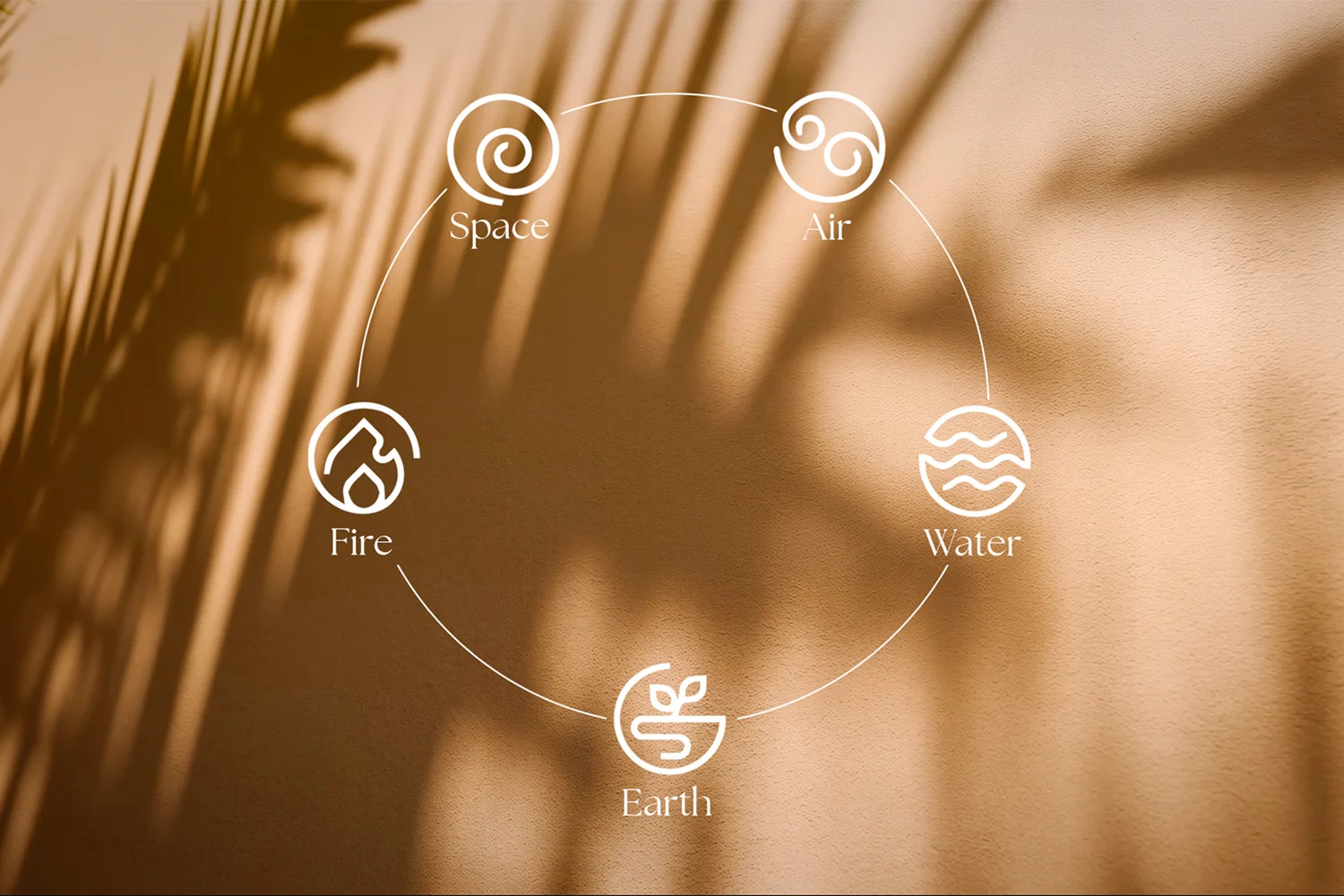
Traditional healing systems, including naturopathy, have long understood nature through the Panch Mahabhutas: Space, Air, Fire, Water, and Earth. These five elements form the blueprint of the human body. They shape how we are built, how our systems function, and how we feel, physically and emotionally, on any given day.
This World Environment Day, trē invites you to look at how closely your body mirrors the natural world, and what becomes possible when you start working with these five elements rather than against them.
1. Space (Akash): The Element of Openness
Akash is Space: the element of openness, expansion, and consciousness. Inside the body, it lives in the hollows, the lungs, the digestive tract, the spaces between cells. Most of us do not notice it until it has gone. Mental clutter, a feeling of overstimulation, that tightness in the chest when life gets too loud, these are often signs that the space element needs attention.
At trē, restoring space is not a single therapy. It is built into how the whole healing environment is held. Guests are guided through practices that encourage the body to open, soften, and release, reclaiming the inner spaciousness that a full, busy life can quietly chip away at.
2. Air (Vayu): The Element of Movement
Vayu governs movement, circulation, and communication throughout the body. Breath, blood flow, nerve impulses, the subtle motion of thought itself. All of it falls under this element. Air is also closely tied to creativity, the ability to adapt, and that quality of lightness we feel when things are going well.
A balanced Vayu means the body and mind move freely. Out of balance, it tends to show up as anxiety, broken sleep, restlessness, overthinking, stiff joints, and skin that feels persistently dry.
In naturopathy, the air element is supported through pranayama, which is conscious breathing that builds awareness and vitality, as well as gentle yoga, time spent walking outdoors, and regular exposure to fresh air and natural surroundings.
At trē, breathwork and movement therapies are central to every wellness plan, not treated as extras. Getting Vayu right has a way of settling everything else around it.
3. Fire (Agni): The Element of Transformation
Agni is the body’s transformative force. It governs digestion, metabolism, body temperature, vision, and the biochemical processes that keep everything running. Beyond the physical, it is also the element behind intelligence, determination, and the ability to make clear decisions.
When Agni is working well, you feel it: strong digestion, reliable energy, a clear head, good focus, and a natural drive to get things done. When it is low or excessive, the signs tend to come through as acidity, poor digestion, inflammation, skin flare-ups, fatigue, irritability, or a kind of creeping burnout.
Naturopathy tends to this element through controlled sun exposure, practices like Atap Snaan (the traditional banana leaf bath), sauna and infrared heat therapies, warm freshly cooked food, and the careful use of heating herbs and spices.
At trē, every fire-based therapy is shaped around the individual. The aim is never a blanket application of heat, but a considered approach that meets each guest where their Agni actually is.
4. Water (Jala): The Element of Fluidity
Nearly 70% of the human body is water. It runs through the blood, the lymph, the saliva, the digestive juices, and sits inside every single cell. So when the water element is off, it rarely stays quiet.
Jala represents fluidity, lubrication, nourishment, and the more fluid emotional currents within us. Good balance here shows up as healthy skin, steady energy, smooth digestion, and an overall feeling of ease. Imbalance can look like water retention, persistent headaches, muscle cramps, puffiness around the face, dull hair, dry skin, or thirst that never quite goes away.
In naturopathy, water is applied directly as medicine. Hydrotherapy draws on mineral baths, underwater massage, compresses, steam baths, and enemas. Aqua yoga is also used, particularly valued for what it does for joint mobility and circulation in ways land-based movement cannot always achieve.
At trē, water therapies are a central part of the healing process. The element is offered in various forms, each chosen according to what the body genuinely needs on that day.
5. Earth (Prithvi): The Element of Stability
Prithvi, or Earth, is solidity. Strength. The quality of being grounded. In the body, it is expressed through the bones, muscles, connective tissue, skin, and nails: everything that holds the body’s shape and gives it physical presence.
When this element is balanced, the body feels strong and resilient. There is endurance. A settled, centred quality that carries through the day. When Prithvi is out of balance, life starts to feel unexpectedly heavy: lethargy, weight that seems to arrive from nowhere, body aches, stiffness, and a kind of stuckness that is hard to shift physically or mentally.
Naturopathy works with the earth element through mud therapy (full mud baths or targeted mud packs applied to specific areas), grounding practices such as walking barefoot on grass, soil, or sand, and nourishing foods like root vegetables, whole grains, and legumes that bring the body back down to earth quite literally.
At trē Wellness, earth therapies help guests find their footing again. For a great many people, being properly grounded is the thing that years of indoor living and chronic stress have taken from them.
How Trē Brings It All Together
The body does not exist apart from the environment. It is shaped by it, reflects it, and responds to it every single day.
At trē, the Panch Mahabhutas are not background philosophy. They are the practical lens through which each person’s healing is understood. Every therapy, meal, and practice is chosen with an awareness of how these elements are showing up in that individual’s body, and what it will take to bring them back into balance. That understanding is what makes sustainable living, genuine environmental health, and lasting holistic wellness actually possible.
This World Environment Day, perhaps the most useful shift is this: caring for the environment out there and caring for the one inside your own body are not two different things. Breathing more consciously, eating closer to nature, moving freely, resting well, and putting your feet on real ground. None of this is separate from the larger picture. All of it is the same act of coming back into alignment.
That is what trē is here to support.
Frequently Asked Questions
1. What are the five elements of nature in holistic wellness?
The five elements, known as the Panch Mahabhutas, are Space (Akash), Air (Vayu), Fire (Agni), Water (Jala), and Earth (Prithvi). Naturopathy and other traditional healing systems regard these as the foundational building blocks of both the natural world and the human body.
2. How do the five elements affect human health?
Each element is linked to specific functions in the body. Fire governs digestion and metabolism, water supports hydration and emotional flow, air drives circulation and movement. When one falls out of balance, it tends to surface as a physical symptom, a shift in energy, or a change in mood.
3. What is the connection between nature and overall well-being?
The body and the natural world are made of the same elements. Time outdoors, natural food, and rhythms that align with nature all support the body’s capacity to regulate and heal itself. Looking after your personal health and looking after the environment really are the same conversation.
4. How does naturopathy use the five elements for healing?
Each element is applied therapeutically: pranayama and outdoor time for Vayu, hydrotherapy for Jala, sun and heat therapies for Agni, mud therapy and barefoot grounding for Prithvi, and calm restorative spaces for Akash. At trē, these come together in programs built around each individual.
5. What are some simple ways to balance the five elements in daily life?
Breathe with intention and get outside regularly (Air), eat warm freshly prepared food (Fire), keep yourself properly hydrated (Water), walk on natural ground without shoes when you can (Earth), and carve out some real quiet each day (Space). Consistency matters far more than perfection.

