



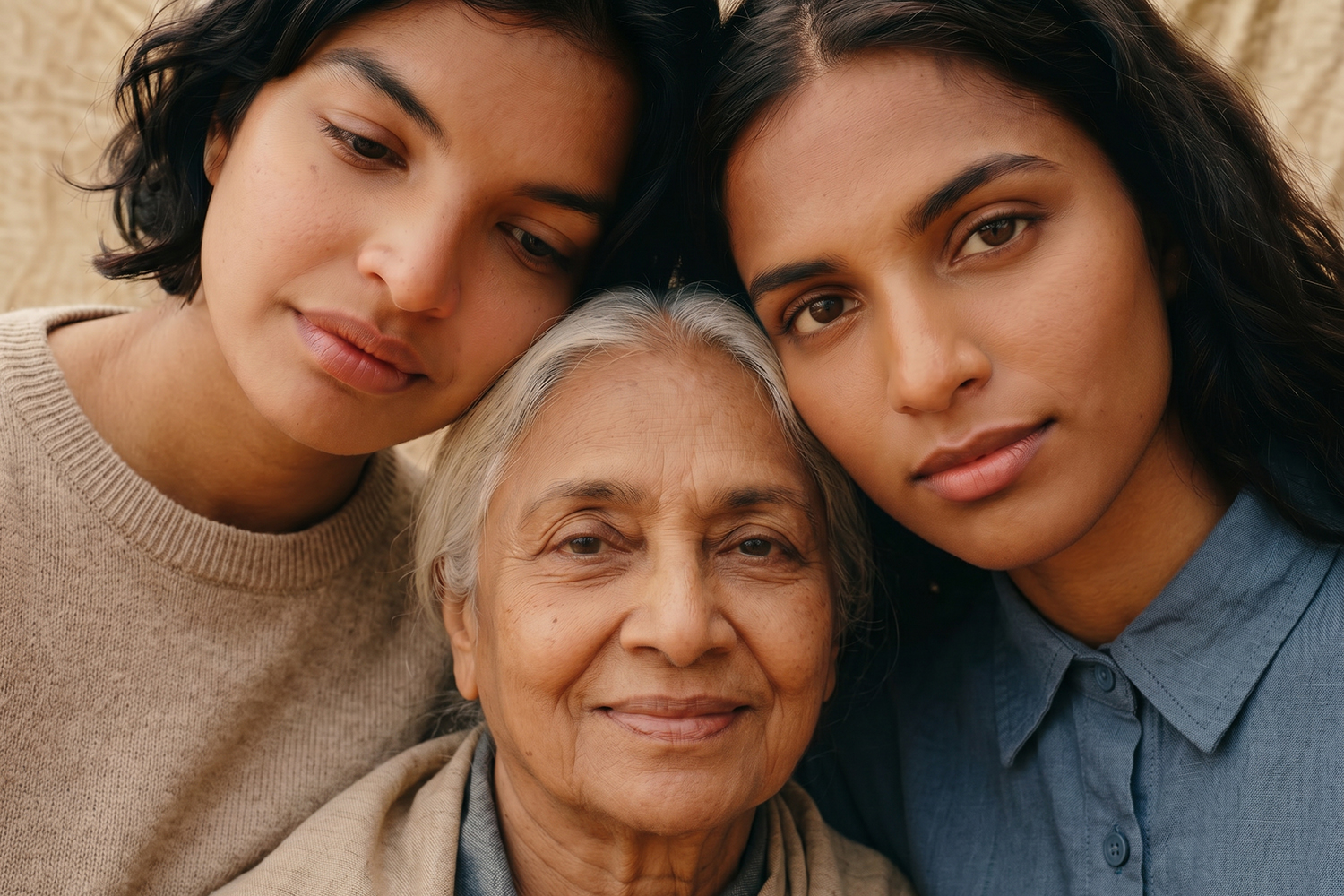
Women’s Hormonal Wellness: Why Balance Matters at Every Age
Most women only start paying attention to hormones when something goes wrong. A cycle that’s suddenly all over the place, weight that won’t budge no matter what, or a mood that feels completely disconnected from what’s actually happening in life. But by the time those signs show up loudly, the imbalance has often been quietly building for months, sometimes years.
Hormonal imbalance in women isn’t one thing. It’s not one hormone, one cause, or one age group. A 19-year-old with painful, irregular periods and a 47-year-old who can’t sleep through the night are both dealing with hormonal disruption. So is the woman in her thirties who’s exhausted all the time and can’t figure out why. The presentation is different. The root causes are different. But the common thread is a hormonal system that isn’t getting the support it needs.
Trē Wellness works across all of these stages because hormonal health doesn’t pause between milestones.
Why It Matters at Every Single Age, Not Just the Obvious Ones
There’s a habit of slotting hormonal health into specific life chapters: puberty, pregnancy, menopause. Everything in between gets treated as stable ground. But it isn’t.
Women’s wellness is tied to hormonal function in every decade. In the twenties and thirties, chronic stress quietly chips away at progesterone. Skipped meals and poor sleep push cortisol higher. Estrogen and insulin start to fall out of rhythm in ways that don’t produce dramatic symptoms yet, but do accumulate. By the time a woman reaches her forties, the body has less hormonal reserve to compensate, and those accumulated patterns show up much more forcefully.
Getting ahead of that is not overcautious. It’s practical. The hormonal system responds well to support when it’s offered before the disruption becomes entrenched.
What to Actually Watch For
Signs of hormonal imbalance in women get dismissed all the time. Tiredness gets blamed on a busy life. Mood changes get written off as personality. Skin issues are treated as a cosmetic problem. But patterns matter.
Mood: Anxiety that feels physical, irritability that comes from nowhere, a persistent low mood that rest doesn’t fix. These aren’t just stress. Progesterone has a direct calming effect on the nervous system. When it’s low, the emotional system feels it.
Sleep: Lying awake at 3am for no clear reason, or falling asleep easily but waking up unrefreshed. Cortisol rhythm plays a major role in this. So does progesterone, which supports the quality of deep sleep.
Weight and energy: Fatigue that doesn’t respond to rest, and weight sitting around the abdomen regardless of what you eat. Both are consistent hormone imbalance symptoms linked to insulin resistance and thyroid function.
Skin and hair: Adult acne, skin that’s lost its bounce, or hair that’s noticeably thinner at the parting. These are estrogen and androgen signals, not just cosmetic inconveniences.
Cycle changes: Heavier bleeds, cycles that shift significantly in length, or periods that have become unpredictable. These are the hormonal systems trying to communicate something.
When several of these appear together, it’s not a coincidence. It’s a pattern worth paying proper attention to.
What's Actually Causing It
A few things drive hormonal imbalance in women more consistently than others.
Chronic stress sits at the top. When cortisol stays elevated for months or years, it pulls resources away from sex hormone production. Progesterone gets suppressed. Thyroid function slows. Insulin sensitivity drops. The body prioritises survival over reproduction and repair, which is technically logical but practically very disruptive.
Sleep is the other big one. Hormonal regulation happens largely overnight. Short or broken sleep doesn’t just leave you tired. It actively interferes with how the body produces and balances hormones the following day.
Nutrition matters more than most people realise. Hormones are built from dietary fats and depend on micronutrients like magnesium, zinc, and B vitamins. If the diet is consistently low in these, the raw materials for healthy hormonal function simply aren’t there.
Gut health connects directly to estrogen clearance. The gut processes used estrogen before it leaves the body. When gut function is poor, estrogen can be reabsorbed rather than cleared, which contributes to estrogen dominance and the symptoms that come with it.
Food as a Genuine Tool
What you eat genuinely shifts hormonal patterns, but it’s not about following a strict protocol. It’s about consistency with a few things that matter most.
At Trē, food is treated as an active part of the healing process, not an afterthought. Every meal plan is built around the individual’s hormonal profile and therapeutic goals. Here is what that looks like in practice.
Eating regularly without long gaps keeps blood sugar stable, which keeps cortisol from spiking unnecessarily. Trē’s nutritional approach ensures meals are timed and structured to support this balance throughout the day.
Including enough protein and healthy fats at each meal provides the structural materials hormones are made from. Avocado, olive oil, and nuts all belong in this category and are incorporated thoughtfully into Trē’s meal planning.
Cruciferous vegetables, broccoli, cauliflower, and cabbage, support the liver in processing and clearing estrogen. Trē includes these consistently as part of a dietary framework that supports hormonal clearance naturally.
Cutting back on refined sugar and alcohol reduces the load on the liver and helps insulin stay within a healthier range. At Trē, this is guided rather than imposed, with the focus on consistent improvement over perfection, because that is what produces lasting hormonal results.
Exercise: How Much Is Actually Helpful
Exercise is genuinely supportive for hormonal health, but the type and amount both matter.
Resistance training is particularly useful from the late thirties onwards when estrogen begins to decline. It maintains muscle mass, improves insulin sensitivity, and supports bone density. These are direct hormonal benefits, not just fitness ones.
Moderate steady-state exercise, walking, swimming, cycling at a comfortable pace, supports cortisol regulation and cardiovascular health without adding significant stress to the system.
Yoga deserves particular mention here. Beyond flexibility, a consistent yoga practice supports the nervous system, lowers cortisol, improves circulation, and works directly on the endocrine system. For women dealing with hormonal imbalances, it is one of the most effective and sustainable forms of movement available.
The part that often gets missed: very high-intensity training without enough recovery can raise cortisol and worsen hormonal disruption, particularly for women who are already under significant life stress. More is not always better. Movement calibrated to where the body is right now tends to produce better hormonal outcomes than pushing harder.
At Trē, movement is recommended as part of the wider hormonal program, not as a standalone prescription.
Where Hormone Therapy Fits In
Hormone therapy for women is a legitimate and well-researched medical option, particularly through perimenopause and menopause. For women with significant hormonal depletion, it can meaningfully reduce symptoms and long-term health risks associated with low oestrogen.
Trē’s naturopathic approach works alongside medical management rather than against it. For women not on hormonal therapy, Trē’s programs work to support the body’s own production and balance through nutrition, therapeutic treatments, and lifestyle. For women who are on medical hormone therapy, Trē addresses the surrounding factors, sleep, stress, nutrition, gut health, that affect how well the body responds to that treatment.
The two approaches address different parts of the same problem. Neither replaces the other.
How Trē Works With This
At Trē, every women wellness program begins with a proper individual assessment, not just a questionnaire with a fixed outcome at the end.
Symptoms, cycle history, sleep patterns, stress levels, nutrition, and existing health information are all reviewed together. From that, a program is built around the specific drivers of imbalance for each person. Two women with similar symptoms may have very different programs at Trē because the causes sitting behind those symptoms are different.
Treatment may include naturopathic therapies supporting liver and gut function, sleep protocols, stress management techniques, and nutritional guidance. The aim isn’t to manage symptoms long-term. It’s to address what’s driving the imbalance and help the body find a more stable baseline.
Frequently Asked Questions
Why is hormonal balance important at every age?
Because hormones affect energy, sleep, mood, weight, skin, and long-term health at every stage of life, not just during obvious transitions like menopause. Patterns that go unaddressed in the twenties and thirties often become more significant problems in the forties and fifties.
What are the common signs of hormonal imbalance in women?
The most common hormone imbalance symptoms include irregular or heavy periods, persistent fatigue, unexplained weight gain, anxiety, disrupted sleep, adult acne, hair thinning, and low mood. These frequently appear together and are often dismissed as stress rather than recognised as hormonal signals.
What foods support hormonal wellness in women?
Regular meals with adequate protein and healthy fats, cruciferous vegetables, oily fish, nuts, and seeds all directly support hormonal function. Reducing refined carbohydrates, sugar, and alcohol reduces the load on the liver and supports insulin balance. Consistency matters more than any single superfood.
Are natural wellness therapies helpful for hormonal balance?
Yes, when they’re based on a proper individual assessment rather than generic recommendations. Naturopathic therapies that support gut and liver function, reduce stress load, and improve sleep quality create real conditions for the hormonal system to stabilise. At Trē, these are structured into program rather than offered in isolation.
How can exercise support women's hormonal health?
Resistance training and moderate aerobic activity both support hormonal health through improved insulin sensitivity, cortisol regulation, and muscle maintenance. Yoga plays a meaningful role as well, supporting the nervous system, reducing cortisol, and improving circulation and hormonal balance through consistent practice. The important thing to note is that excessive training without adequate recovery can worsen signs of hormonal imbalance in women by driving cortisol higher. Movement should complement recovery, not compete with it.

