



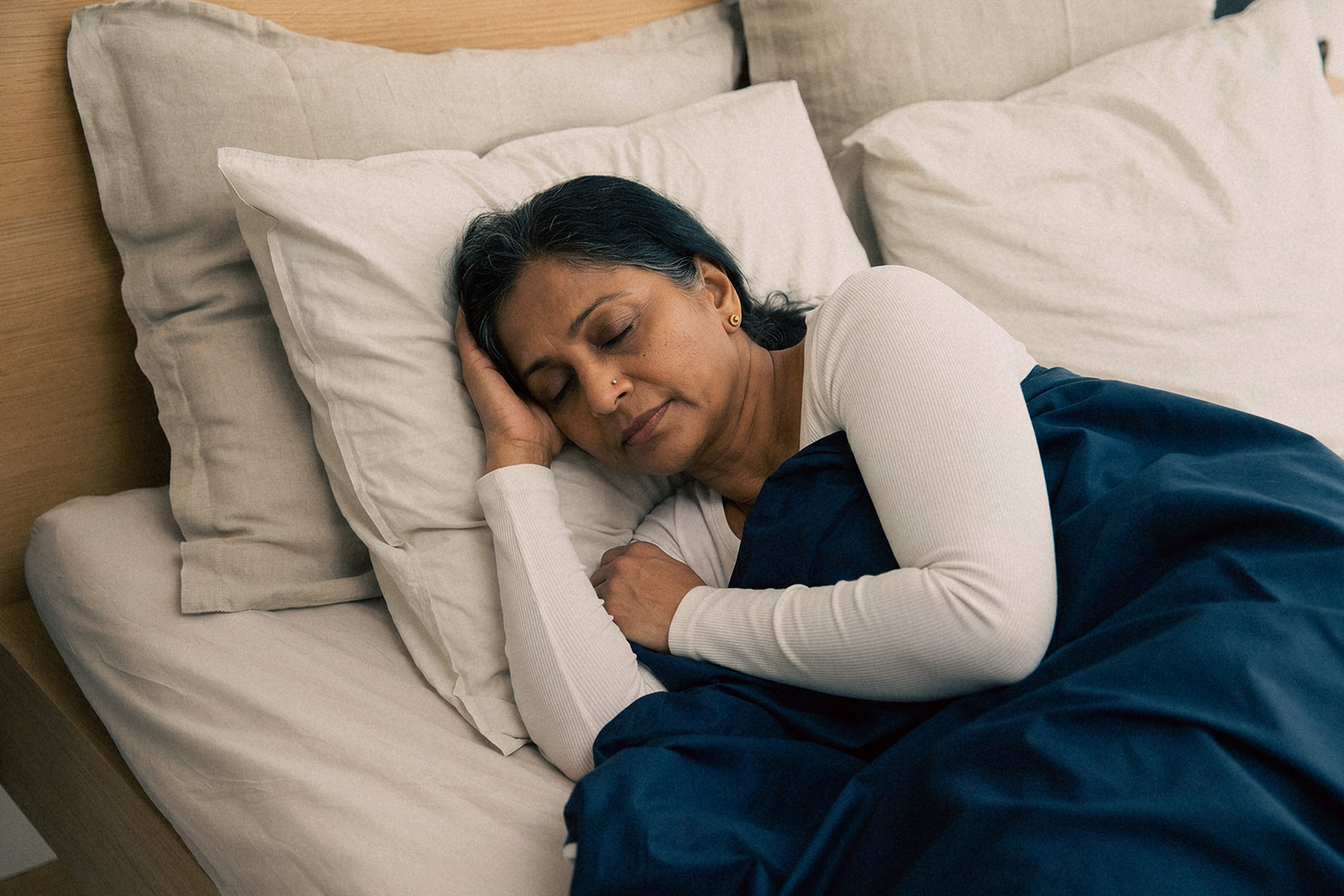
Sleep Hygiene Tips for a Deeper and More Restful Night
We live in a world that celebrates being busy. Late nights are normalised. Screens are the last thing we see before we close our eyes. And somehow, we’ve convinced ourselves that running on five or six hours is just part of adult life.
But here’s what that’s actually doing to you.
Poor sleep isn’t just tiredness. It affects your weight, your hormones, your immunity, your mood, your gut health, and your ability to think clearly. And the frustrating part? Most people don’t realise that the way they’re living is the very reason they can’t sleep well.
The good news, sleep hygiene is something you can actively improve. And the results, when done right, are felt almost immediately.
What Is Sleep Hygiene?
Sleep hygiene refers to the habits, behaviours, and environment that shape the quality of your sleep. Think of it as the daily routine your body needs to wind down, fall asleep, and stay asleep through the night.
Good sleep hygiene isn’t a one-night fix. It’s a consistent set of practices that work with your body’s natural rhythm, your circadian clock, to make deep, restorative sleep the norm rather than the exception.
Why Most People Struggle to Sleep Well
Before we get into the tips, it helps to understand why sleep feels so elusive for so many people today.
Your body has an internal clock, regulated by light, temperature, meal timing, and routine. When those signals are disrupted, irregular timings, too much screen light at night, eating late, chronic stress, your body loses its cue to wind down. Cortisol stays elevated when it should be dropping. Melatonin gets suppressed when it should be rising. And sleep becomes a battle rather than a natural state.
Sleep deprivation then becomes a cycle. One bad night affects the next day. Fatigue leads to more caffeine, later nights, and poorer decisions, which leads to another bad night.
Sleep Hygiene Tips That Actually Work
1. Fix Your Sleep Schedule First
The single most powerful thing you can do is go to bed and wake up at the same time, every day. Yes, including weekends.
Your circadian rhythm is set by consistency. When you sleep and wake at random times, your body never knows when to prepare for sleep. A fixed sleep schedule signals your brain to start releasing melatonin at the right time, making it easier to fall asleep and wake up feeling rested.
Start by picking a wake-up time and working backwards. If you need seven to eight hours, set your bedtime accordingly, and hold to it.
2. Build a Wind-Down Routine
Your body doesn’t switch off like a light. It needs a transition period, a signal that the day is ending and rest is coming.
A solid sleep hygiene routine in the hour before bed could include dimming the lights in your home, stepping away from screens, drinking something warm like chamomile or ashwagandha tea, light stretching or yoga, journaling, or simply sitting quietly.
3. Make Your Bedroom a Sleep-Only Space
Your brain is constantly making associations. If you work from bed, scroll through your phone in bed, or eat in bed, your brain begins to associate that space with activity rather than rest.
One of the most effective sleep hygiene techniques is keeping your bedroom exclusively for sleep. Keep it cool, around 18 to 20 degrees Celsius is ideal for most people. Keep it dark. Keep it quiet. Your environment should tell your body one thing: it’s time to rest.
4. Watch What You Eat and When
What you eat, and when you eat it, has a direct impact on your sleep quality.
Heavy meals close to bedtime force your digestive system to work through the night, raising your body temperature and keeping your system active. Caffeine has a half-life of around five to six hours, which means a coffee at 4pm can still be affecting you at 10pm. Alcohol, while it may help you fall asleep initially, disrupts your sleep cycles and reduces the quality of rest significantly.
At Trè, our nutrition experts and doctors design curated dining experiences that are timed and portioned around your body’s natural rhythms, including your evening course, which is calibrated to support digestion and restful sleep rather than disrupting it.
5. Get Morning Light Exposure
This one surprises most people, but one of the best things you can do for your sleep is get natural light in your eyes within the first hour of waking up.
Morning light sets your circadian clock for the day. It boosts serotonin, which later converts to melatonin at night. It suppresses the lingering grogginess of the night before and signals to your body that the day has begun.
Even ten to fifteen minutes of natural light in the morning, outdoors or near a bright window, can meaningfully improve how well you sleep that night.
6. Move Your Body, But Time It Right
Regular physical movement is one of the most clinically supported ways to improve sleep quality. It reduces cortisol, regulates your mood, and helps your body feel genuinely tired by the end of the day.
However, intense exercise too close to bedtime raises your core temperature and adrenaline, making it harder to fall asleep. Aim to finish vigorous exercise at least three hours before bed. Gentle movement like the yoga sessions at Trē can be done in the evening and actually support sleep rather than disrupt it.
7. Manage Stress Before It Manages Your Sleep
Stress and sleep have a deeply intertwined relationship. High cortisol, your body’s stress hormone, suppresses melatonin and keeps your nervous system in a state of alert, even when you’re lying still.
If your mind races the moment you lie down, that’s not a sleep problem. That’s an unprocessed stress problem.
Practices like breathwork, meditation, journaling, art therapy, and guided relaxation help signal to your nervous system that it is safe to rest. At Trē, our doctors and therapists address the stress piece as part of the complete wellness programme because no sleep tip will work long-term if the root cause is chronic, unmanaged stress.
8. Limit Screen Time Before Bed
The blue light emitted by phones, laptops, and televisions suppresses melatonin production, the hormone your body needs to initiate sleep. But it isn’t just the light. It’s the stimulation. Social media, news, and even entertaining content keep your brain in a state of engagement rather than allowing it to slow down.
Set a screen curfew of at least 45 minutes to an hour before bed. It’s one of the simplest sleep hygiene tips and one of the hardest to actually follow. But the difference it makes to how quickly you fall asleep is almost immediate.
When Sleep Hygiene Isn't Enough
For some people, sleep issues go beyond habits. Sleep disorders like insomnia, sleep apnea, and restless leg syndrome have physiological components that require medical assessment.
If you’ve been consistent with your sleep hygiene routine and still struggle – waking frequently through the night, being unable to fall asleep despite exhaustion, or feeling completely unrefreshed every morning, it’s time to speak to a doctor.
At Trē Wellness, our doctors conduct a thorough assessment of your sleep patterns, lifestyle, hormonal health, and stress levels to identify the root cause of your sleep issues. We don’t just recommend better sleep. We find out why you aren’t getting it and fix that.
The Trē Approach to Better Sleep
Sleep is not separate from health. It is the foundation of it.
Every treatment, every therapy, and every programme at Trē Wellness is built with the understanding that a body which doesn’t rest cannot heal. Our doctors integrate sleep assessment into every guest’s wellness journey looking at nutrition, daily routine, stress, and physical health as a complete picture rather than isolated issues.
Because better sleep is rarely just about sleep. It’s about everything your day is doing to your body before you close your eyes.
FAQs
What is sleep hygiene and why is it important for better sleep?
Sleep hygiene refers to the daily habits and environment that affect your sleep quality. Good sleep hygiene helps your body follow its natural rhythm, making it easier to fall asleep, stay asleep, and wake up restored.
What are the best sleep hygiene tips to fall asleep faster?
A consistent bedtime, a calming wind-down routine, a dark and cool bedroom, limiting screens before bed, and avoiding caffeine after 3pm are the most effective starting points.
How can I fix my sleep schedule, naturally?
Pick a fixed wake-up time and stick to it every day — including weekends. Get morning sunlight within the first hour of waking. Avoid naps longer than 20 minutes. Your body will begin to regulate within one to two weeks.
What are common poor sleep hygiene habits to avoid?
Scrolling on your phone in bed, eating heavy meals late at night, inconsistent sleep timings, drinking caffeine or alcohol close to bedtime, and working or watching TV in your bedroom are the most common disruptors.
Can sleep hygiene help with insomnia and sleep disorders?
Good sleep hygiene significantly helps mild to moderate insomnia. However, if sleep disorders persist despite consistent habits, a medical assessment is important to identify the underlying cause and receive appropriate care.

